
Inter Had a Right to Explode Over the Penalty That Wasn’t
Inter Had a Right to Explode Over the Penalty That Wasn’t
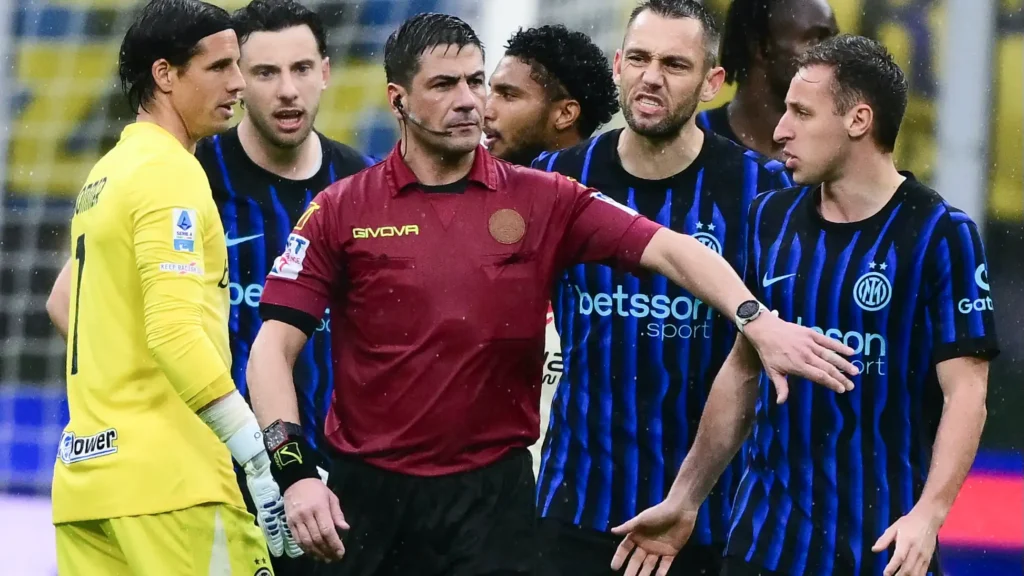
Inter’s furious reaction after the 1-1 draw with Atalanta looked emotional in the moment, but the reporting that followed gave it more weight. Italian reports said the AIA privately acknowledged that Inter were wrongly denied a penalty in the Frattesi-Scalvini incident, while wider analysis of the match also focused on the controversial build-up to Atalanta’s equaliser. That is why this story kept growing after the final whistle instead of fading with it.
The official result left Inter frustrated enough to impose a media blackout, and Cristian Chivu was sent off amid protests during the match. Reuters reported that the draw kept the title race alive, but the points story never fully replaced the officiating story. When a team finishes a top-level game convinced that a decisive penalty was ignored, and post-match reporting says the refereeing body itself accepts the complaint, the argument stops being tribal and starts becoming structural.
For The VAR Verdict, the key issue is consistency. Football sells VAR as protection against clear and decisive error. But when clubs feel they need silence, fury and formal protest just to underline the seriousness of what happened, trust in the process keeps eroding. Inter may still win the Scudetto, but that does not erase the larger problem: in one of the defining matches of the round, the officiating debate once again felt bigger than the football.
The verdict here is strong: Inter’s anger was understandable, the penalty debate is legitimate, and Serie A has once again exposed how fragile confidence in high-stakes officiating can become.
