
Mexico and England produced one of the most dramatic matches of the FIFA World Cup Round of 16. Five goals, a red card, two penalties, eleven minutes of added time and constant pressure created an enormous challenge for referee Alireza Faghani. Before kick off, many questioned FIFA’s decision to appoint Faghani following criticism of his earlier World Cup performances. By the final whistle, there was once again plenty to discuss. While several key decisions were ultimately correct, the Australian referee needed VAR assistance on one of the biggest incidents and struggled at times to maintain complete control during an emotional knockout match.
The first major incident: England’s penalty
England were awarded a first half penalty after Anthony Gordon was brought down inside the penalty area. Harry Kane converted from the spot to give England a crucial third goal. From the available television angles, the defender failed to win the ball before making contact with Gordon. Under Law 12, a careless trip inside the penalty area is punished with a penalty kick. This was the correct decision and one that Faghani identified without needing VAR intervention.
Quansah’s red card changes the match
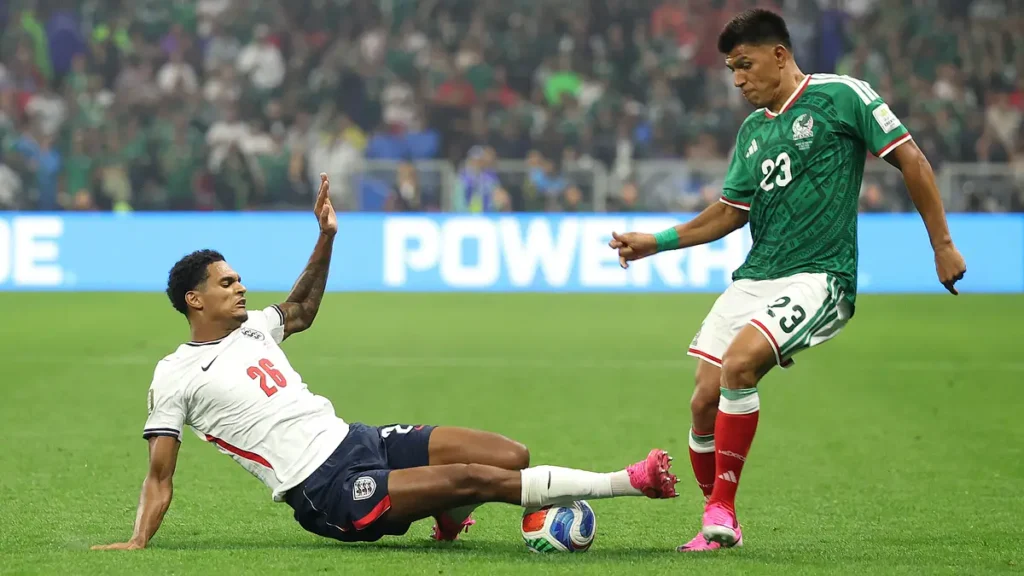
The biggest refereeing moment arrived early in the second half. England defender Jarell Quansah challenged Jesús Gallardo with a high tackle. Initially, Faghani allowed play to continue. VAR quickly intervened and recommended an on field review. After watching the replay, Faghani upgraded the decision to a direct red card.
Was the red card correct?
Yes. Law 12 states that a challenge which endangers the safety of an opponent or uses excessive force must result in a red card. Quansah’s boot made dangerous contact high on Gallardo, creating significant risk to the opponent. Although England supporters argued the tackle was reckless rather than excessive, VAR correctly recognised that the threshold for serious foul play had been reached. This was an excellent example of VAR working exactly as intended.
Mexico’s penalty
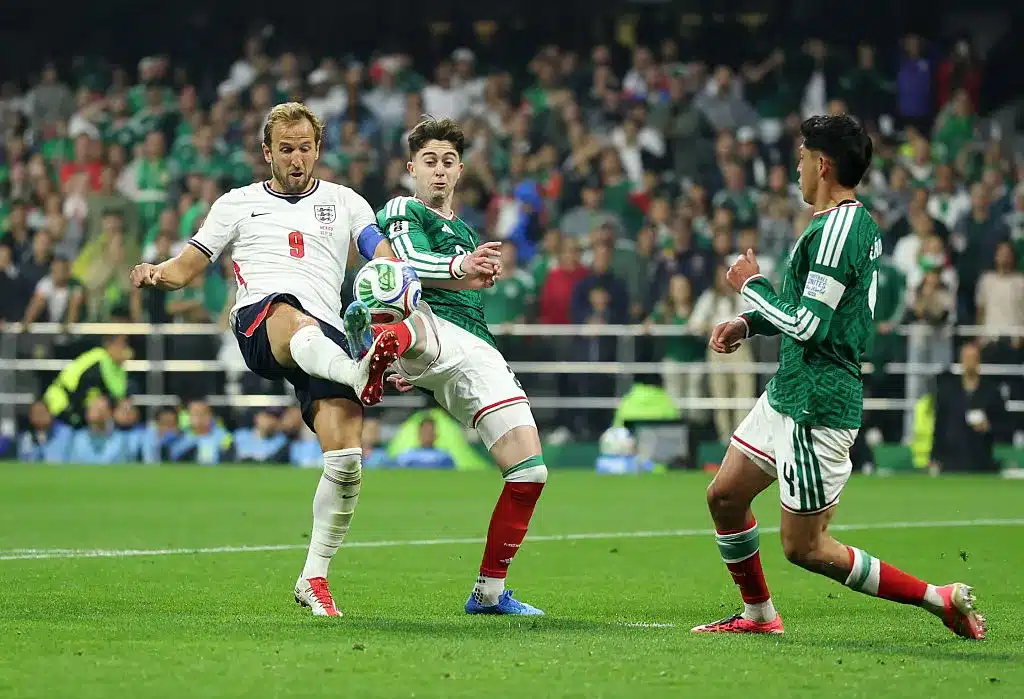
Later in the match Mexico were awarded a penalty after Harry Kane committed a foul inside his own penalty area. Raúl Jiménez converted to reduce the deficit to 3-2 and create a dramatic finish. Again, the decision appeared correct. Kane failed to play the ball and instead brought down the attacker. Contact was clear and sufficient for a penalty under the Laws of the Game.
Did Faghani lose control?
This is where opinions become divided. Technically, the major match changing decisions were correct. However, the overall management of the match was less convincing.
Several moments of confrontation developed into mass confrontations involving players from both teams. The emotional temperature continued to rise, particularly after Quansah’s dismissal, and there were periods where communication appeared less effective than expected from a referee of Faghani’s experience.
An elite World Cup referee is expected not only to make correct decisions but also to prevent frustration from escalating. In this area, Faghani could have managed the game more proactively.
VAR performance
The VAR team deserves credit. The intervention for Quansah’s tackle prevented a potentially serious error. Importantly, VAR did not interfere unnecessarily elsewhere. The system was used only for a clear and obvious missed red card, exactly as FIFA intends.
Referee rating
Alireza Faghani: 6.9/10
Faghani reached the correct outcome on the biggest incidents, but the performance never felt fully convincing. The red card required VAR assistance, emotions regularly boiled over, and overall match control lacked the authority expected from one of FIFA’s most experienced referees. His penalty decisions were correct, yet the overall management leaves room for improvement.
Final Verdict
Mexico vs England demonstrated why knockout football is the ultimate test for any referee. Alireza Faghani correctly awarded both penalties and, with the assistance of VAR, reached the right decision on Quansah’s dismissal. However, refereeing is about more than isolated decisions. Throughout the evening, the match often felt on the edge of losing control. Stronger communication, earlier disciplinary action and firmer player management could have reduced the tension before it escalated. The result itself was decided by England’s resilience and quality, but the referee once again became one of the main talking points.

0 Comments
Join the conversation with respect. Comments are moderated and must follow our community rules.
Want to join the discussion?
Please log in or create an account to comment and reply. This keeps the conversation cleaner and safer.