

Argentina World Cup refereeing decisions have come under growing scrutiny before the semifinal against England. Several controversial incidents have been grouped into a wider online narrative, with some supporters using the nickname “VARgentina” to suggest that Argentina have benefited from favourable officiating.
That accusation remains unproven. A serious referee analysis must separate claims of bias from legitimate questions about VAR procedure, intervention thresholds and consistency.
Argentina reached the semifinal after defeating Switzerland 3–1, but the match was overshadowed by Breel Embolo’s dismissal following a VAR intervention. Earlier controversy against Egypt and complaints surrounding other Argentina matches added momentum to a debate that was already developing during the tournament.
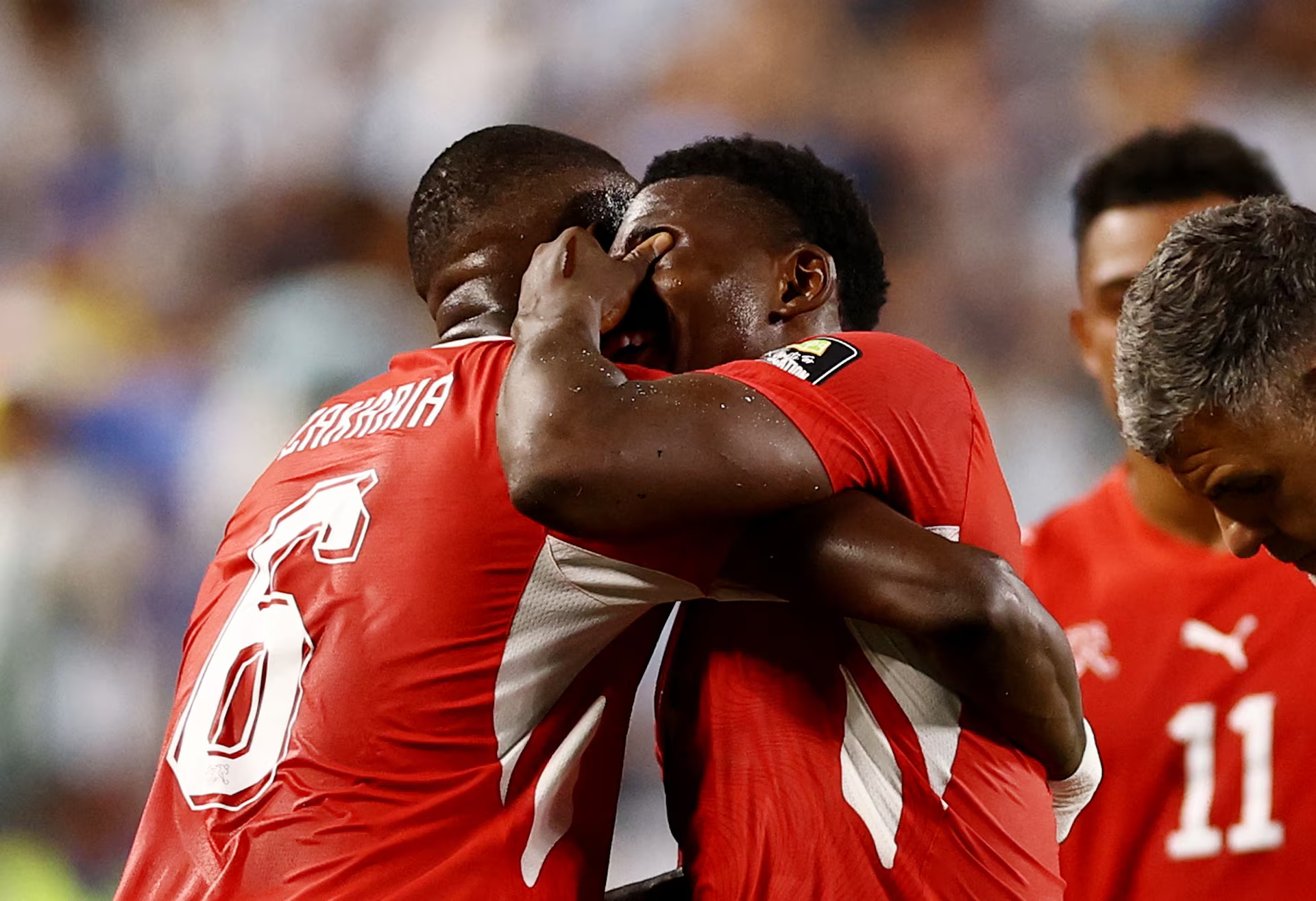
Why Argentina World Cup Refereeing Decisions Are Being Debated
The controversy has not been created by one isolated whistle. It has developed because several high-profile decisions involving Argentina occurred in important knockout matches.
Supporters naturally become suspicious when multiple disputed incidents appear to favour the same team. However, the number of controversial decisions alone does not prove systematic favouritism.
Every incident must be assessed separately under the Laws of the Game and the VAR protocol. The important question is not whether Argentina benefited from a decision. The important question is whether the decision was technically correct and whether VAR was permitted to intervene.
The Egypt Controversy
Egypt formally criticised the officiating after their dramatic defeat to Argentina. One of the main incidents involved a disallowed Egyptian goal after VAR identified an attacking offence in the build-up. Egypt also questioned a penalty situation that was not awarded.
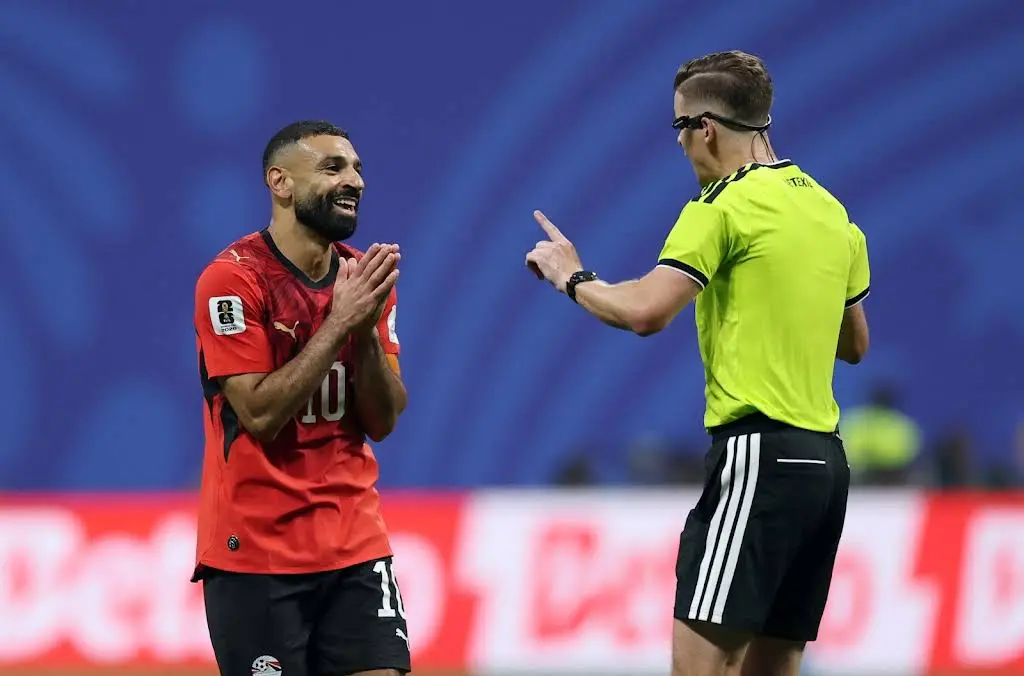
A goal may be disallowed if an offence by the attacking team occurs during the attacking phase that directly leads to the goal. The technical argument therefore depends on how far the VAR team went back and whether the earlier offence remained part of the same attacking phase.
The decision can be correct under protocol while still creating frustration if supporters are not shown a clear explanation. This distinction matters. A controversial decision is not automatically an incorrect decision.
The Embolo Red Card Against Switzerland
The dismissal of Breel Embolo became the strongest source of criticism. The referee initially cautioned an Argentina player after judging that Embolo had been fouled. VAR then intervened under the amended mistaken identity provision.
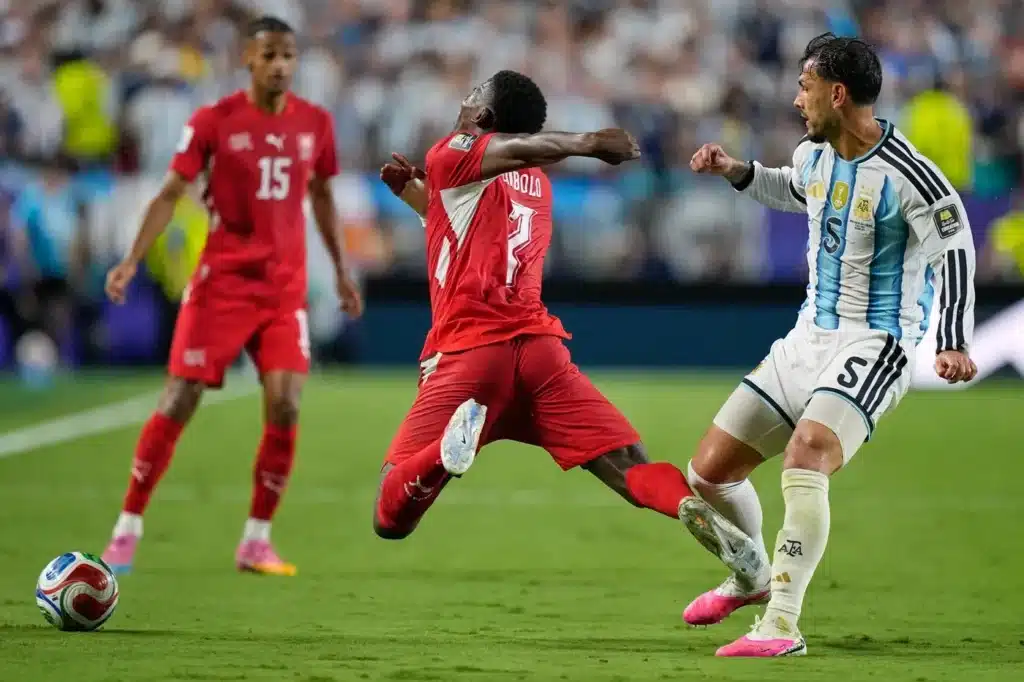
After reviewing the incident, the referee removed the caution from the Argentina player and booked Embolo for simulation. Because Embolo had already been cautioned, he was sent off.
The updated IFAB protocol allows mistaken identity to be reviewed when the referee shows a yellow or red card to the wrong player, including when the actual offence was committed by a player from the opposing team.
This means the intervention was procedurally possible. The more difficult question is whether the evidence clearly established simulation.
Not every fall after limited contact is simulation. Under Law 12, the referee must be satisfied that the player attempted to deceive the officials. If the replay clearly showed that Embolo created a false impression of being fouled, the caution was supportable. If there was meaningful contact and the incident remained open to interpretation, critics can reasonably question whether VAR met the required intervention threshold.
Does the Debate Prove Argentina Were Favoured?
No clear evidence currently establishes systematic bias in Argentina’s favour. The online “VARgentina” label reflects public frustration, but it should not be treated as proof. Former FIFA referee Christina Unkel told Reuters that the wider problem concerns the expansion of VAR and the danger of effectively re-refereeing matches. Her criticism focused on protocol and public confidence rather than evidence of a coordinated effort to help Argentina.
Argentina defender Lisandro Martínez has also rejected claims that officials have favoured his team and said the tournament’s referees had performed well. Both perspectives deserve to be included. Argentina supporters are entitled to argue that technically correct decisions should not be dismissed simply because they helped Argentina. Opposing supporters are entitled to question whether similar incidents would receive the same treatment in every match.
Why Public Perception Has Become a Problem
Refereeing is judged not only by accuracy but also by credibility.
When VAR reviews are lengthy, explanations are limited and similar incidents appear to produce different outcomes, supporters begin to lose confidence.
That loss of confidence can create a narrative of bias even when no bias has been demonstrated.
The controversy surrounding Argentina World Cup refereeing decisions therefore reveals a larger FIFA problem.
Fans need to understand:
Why VAR intervened.
Which part of the protocol was used.
What evidence changed the referee’s decision.
Why a similar incident in another match was treated differently.
Without clear communication, correct decisions can still appear suspicious.
The Real Issue May Be VAR Interpretation
The strongest criticism is not necessarily that Argentina have received special treatment. It is that FIFA’s amended VAR protocol may be allowing video officials to influence more disciplinary situations than supporters expected.
IFAB’s changes permit VAR assistance for clearly incorrect second-yellow dismissals and mistaken identity cases. Competitions may also adopt certain additional review options.
These changes may improve technical accuracy, but they also create new questions.
How clear must the evidence be?
When does correcting identity become re-refereeing the original incident?
Should a review of an ordinary caution be allowed to produce a decisive dismissal?
The Argentina controversy has become the most visible example of those questions, but the issue is much broader than one national team.
Pressure on Ismail Elfath
FIFA has appointed American referee Ismail Elfath for the England versus Argentina semifinal. Corey Parker and Kyle Atkins will serve as assistant referees, with Maurizio Mariani as fourth official and Daniele Bindoni as reserve assistant.
Elfath will enter the match under exceptional scrutiny. Every penalty appeal, disciplinary decision and VAR review will be analysed through the controversy surrounding Argentina’s previous matches.
His first challenge will be establishing a consistent foul threshold. If minor contact is allowed at one end, the same standard must apply at the other.
His second challenge will be controlling protests without becoming overly strict. His third challenge will be ensuring that any VAR intervention is based on clear evidence rather than pressure created by the wider debate.
What England and Argentina Should Expect
England should expect a referee who generally prefers communication and match management before moving quickly to disciplinary sanctions. Argentina should expect strong attention to confrontations, tactical fouls and reactions to decisions. Both teams must avoid placing unnecessary pressure on the referee.
Surrounding officials, demanding reviews or exaggerating contact can create additional tension in a match that already carries enormous emotional weight. The best outcome for FIFA would be a semifinal in which the referee remains almost invisible.
VAR Verdict
The debate surrounding Argentina World Cup refereeing decisions should not be dismissed, but it must also not become an unsupported accusation against Argentina.
Some decisions were technically defensible. Others remain open to reasonable debate over interpretation and the VAR threshold. The available evidence does not prove that FIFA officials deliberately favoured Argentina.
What it does show is that FIFA has a transparency and consistency problem. When new protocols are introduced during the world’s biggest tournament, supporters need clear explanations of how and why they are being applied.
Verdict: There is legitimate debate over specific VAR interventions, but no established evidence of systematic favouritism toward Argentina.
Main concern: Consistency, transparency and the expanding scope of VAR.
Semifinal focus: Ismail Elfath must apply the same threshold to England and Argentina while resisting the pressure created by the wider controversy.

0 Comments
Join the conversation with respect. Comments are moderated and must follow our community rules.
Want to join the discussion?
Please log in or create an account to comment and reply. This keeps the conversation cleaner and safer.